

What is the Role of ESG Reporting in Tourism & Hospitality?
The world is focused on sustainability regulation, and the tourism and hospitality industries are undergoing a critical transformation as a result. At the heart of this shift is the requirement for ESG Reporting (Environmental and Social Governance) – a framework that is redefining how businesses operate and report activities.
For our industry ESG Reporting is no longer a “nice-to-have.” It has become an essential tool for staying competitive, meeting legal and Regulatory demands.
Tourism and Hospitality have well-known environmental impacts: Directly through construction, operations and tourism activities which lead to environmental damage, deforestation, and increased pollution. And Indirectly via increased C-footprint from power demand, flights and transportation, increased water demand and land-loss due to agricultural food supply. (In a future white-paper we will address other impacts such as overtourism and the 50% – 80% revenue loss from tourism from most destinations).
The above issues are the primary reason that governments have, and will continue, to increase taxes and penalties on tourism and hospitality businesses.

Understanding ESG Reporting
At its core, ESG reporting requires businesses to assess and disclose their environmental and social impacts, both positive and negative. This is required through their own sound governance practices and data-gathering methods. It means looking beyond revenues and profits, but rather focusing on what the business is doing to create or mitigate negative impacts. It requires businesses to recognize and report Risk.
In Series 2 of our bi-monthly updates, we provided a more detailed description of ESG Reporting and the legal requirements for businesses and company officers. Click here to access our Resources.
1. Safeguarding Natural and Cultural Resources
Nature, Wellness and Adventure travel are sited as overwhelming drivers for travel. Tourism depends heavily on pristine, natural environments and rich cultural experiences. ESG Reporting provides a framework for businesses to identify and mitigate their impacts on these critical assets. From reducing Carbon footprints, waste, and pollution, to preserving biodiversity and supporting local heritage, ESG practices ensure that the natural and cultural environment your guests enjoy are protected, along with the local host communities.
Sustainable and Regenerative tourism development is as much about mitigating risks as it is about creating economic and environmental stability in the face of climate change, extreme weather, and Nature loss.
2. Meeting Regulatory Demands
ESG Reporting is becoming a legal requirement across the globe. Governments and regulators are introducing stringent policies to ensure responsible business management while having a clear strategy in place in the transition towards a Carbon neutral and more Circular economy.

3. Promoting Transparency and Accountability
ESG Reporting changes the way companies report their activities well beyond their financial results. It requires reporting measures that account for the impact a business has on the environment and society. It will change the way companies operate; even how departments function, and affect how individual roles will need to perform in the future.
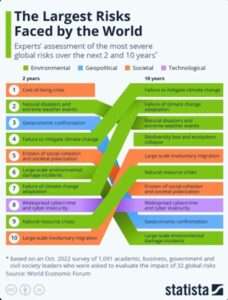
ESG Reporting is ultimately aimed at creating transparency. It equally requires companies to report on the material risks they face from climate change, their mitigation efforts in reducing environmental damage, and the risks they face in the transition to a NetZero and Circular economy. This is known as the Double-Materiality Disclosure.
In the value chain of Tourism & Hospitality, it is vital to understand that under the ESG Reporting Standards, a business must disclose the impact of its supply chain. At the Operator level, this means that your hotel “inherits” the Carbon footprint (as one example of environmental damage) of your suppliers. At the Investor or Owner level – They report the Carbon footprint of their hotel assets and operations and come under scrutiny for investments in businesses that create damage.
However, with a sound ESG Strategy in place, your business fosters trust and reassures stakeholders, investors, and guests that your business is taking concrete steps toward sustainability. The initial disclosures create a benchmark, from which continual improvements are made, helping your business stay ahead.
4. Attracting Conscious Travelers, Finance & Investors
Today’s travelers are more informed and socially conscious than ever before, (our previous Blog covers the fact that 50%-80% of travelers and travel buyers are shifting towards more eco-friendly hotels and destinations). They are actively seeking out destinations and accommodations that aligns with their values (and reduce their own Carbon footprint). By embracing ESG Reporting and communicating a clear ESG Strategy, your business sends a clear message – an attribute that resonates with modern travelers.
5. Driving Long-Term Growth and Resilience
Shift to a Sustainability Strategy is about future-proofing your business against risks, (including Asset Devaluation) in the face of climate change, extreme weather events, and supply-chain disruptions. It also takes concrete steps to reduce your business’s environmental and social impacts.
By adopting sound ESG practices you can reduce operational costs, increase asset value, and improve efficiency while building a brand that stands out in a competitive marketplace.
A note of caution is added: Some companies have overstated or falsified their “eco-friendliness”, which opens the company (and in some cases individuals on company Boards) to litigation under “Greenwashing” rules. (A 600% increase in greenwashing cases has been reported since 2021).
How We Can Help
At Destination-360, we understand the challenges of integrating ESG practices into your tourism or hospitality business. Our advisory services are designed to help you develop practical, tailored ESG strategies, and advise you on the best systems, certifications and data sources to meet regulatory requirements.
From carbon reduction plans to social impact initiatives, we provide the guidance you need to create a more resilient and responsible business model.
Let’s Shape a Sustainable Future Together
Whether you’re a boutique resort or a large hotel operator, ESG reporting is your gateway to sustainable growth and business resilience, while meeting the increasing demands of the Conscious Traveler.
Ready to embrace the future of tourism? Let Destination-360 guide you every step of the way.
Get in Touch:
🌍 Website: destination-360.com
📞 Phone: +97150 653 6193 (UAE), +351 910 945 927 (Portugal)
📧 Email: contact@destination-360.com
🏢 Address: Office A2, Dubai Digital Park, Dubai Silicon Oasis
#ClimateRisks #HospitalityESG #ESGReporting #SustainableTourism #NetZero